Why a ‘Hybrid AI‑Human Decision Engine’ Is the Next Competitive Edge for SMBs
Discover how blending machine intelligence with human judgment can unlock growth, reduce risk, and keep your business agile without costly disruptions.
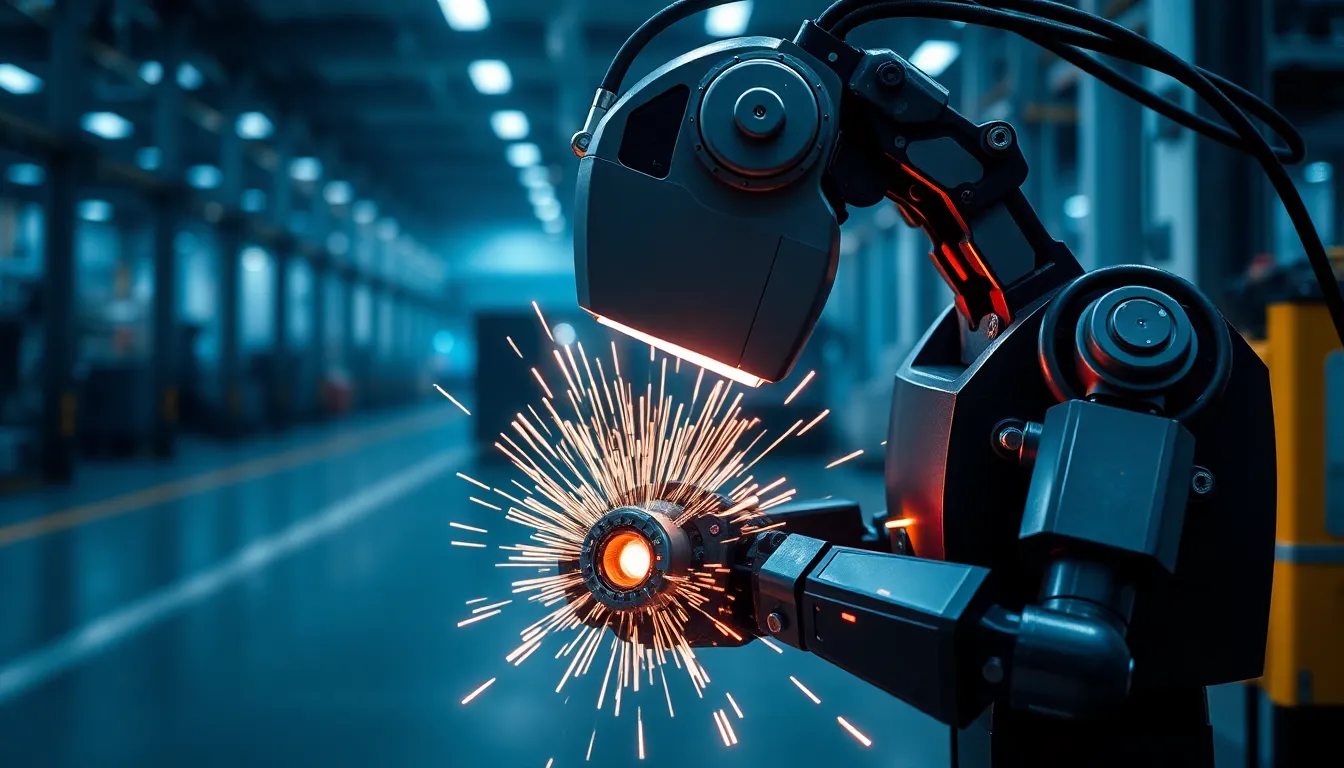
Why a ‘Hybrid AI‑Human Decision Engine’ Is the Next Competitive Edge for SMBs
Did you know that 62 % of small to mid‑size businesses abandon AI projects within the first six months because they feel the technology either usurps human insight or is too complicated to fit their existing processes? The truth is that the most powerful AI deployments don’t replace people—they amplify them, creating a partnership that drives smarter decisions while preserving the strategic nuance only humans can provide.
Defining the Hybrid Model
In a hybrid AI‑human decision engine the algorithm tackles the heavy‑lifting of data collection, pattern recognition and predictive scoring, while a human reviewer validates the output, adds context, and makes the final call. Think of it as a traffic controller: the AI monitors every sensor, flags anomalies, and suggests actions, but the controller decides which maneuver aligns with broader business strategy. This balance ensures that decisions are both data‑driven and aligned with the company’s values, risk appetite, and customer experience standards.

Step‑by‑Step Roadmap for Building a Decision Engine
Begin by identifying a repeatable decision point that produces measurable outcomes, such as inventory replenishment or pricing adjustments. Next, gather historical data for that process and train a lightweight machine‑learning model that can generate a confidence score for each recommendation. After the model reaches a baseline accuracy—typically 70 % to 80 % for SMB‑scale datasets—design a validation interface where a human operator reviews the AI suggestion before it is executed. Integrate this loop into your existing workflow tools, automate the handoff, and set up monitoring alerts that trigger human review when confidence falls below a pre‑defined threshold. Finally, iterate every quarter by feeding back the human‑approved outcomes to retrain the model, a practice that continuously lifts accuracy and reduces the amount of manual oversight required over time.
Real‑World Cases that Show Measurable ROI
A regional distributor of industrial parts deployed a hybrid engine to forecast demand for 1,200 SKUs. Within three months the AI reduced forecast error by 18 %, and because managers verified the top‑risk predictions, stock‑outs dropped by 22 % while excess inventory fell 15 %. Another boutique e‑commerce firm used a hybrid pricing engine that suggested price tweaks based on competitor scraping; human managers approved only 30 % of the suggestions, yet saw a 9 % lift in average order value and a 12 % increase in conversion rate, proving that selective automation can boost revenue without overwhelming staff. Both companies reported that the hybrid approach cut the time spent on manual analysis by half, freeing teams to focus on customer engagement and strategic planning.
Frequently Asked Questions
One common question is whether the hybrid engine will eventually become fully autonomous. The answer is no; the purpose of the human‑in‑the‑loop design is to retain oversight for ethical, regulatory, and brand‑specific considerations, especially in industries where mistakes can damage reputation. Another concern is cost: because the AI component can be built with open‑source libraries and run on modest cloud instances, the primary expense is the initial integration and the time of the staff who set up the validation workflow. Finally, many wonder how to measure success. Key performance indicators include accuracy improvement, reduction in decision latency, financial impact such as cost savings or revenue uplift, and the percentage of decisions that pass through the human validation step without amendment.
Book a discovery call to explore how a hybrid AI‑human decision engine can transform your business today.